The “End of Shift” Nightmare
Imagine this: It’s the end of a long maintenance day. You and your crew have been inside the mill for hours changing wear parts and making sure everything is good for the production cycle to continue tomorrow. You are bone-tired, covered in grease, and ready to go home. You climb down, hit the hydraulics to lower the rotor cap, and wait for that satisfying “thud” of the housing sealing shut.
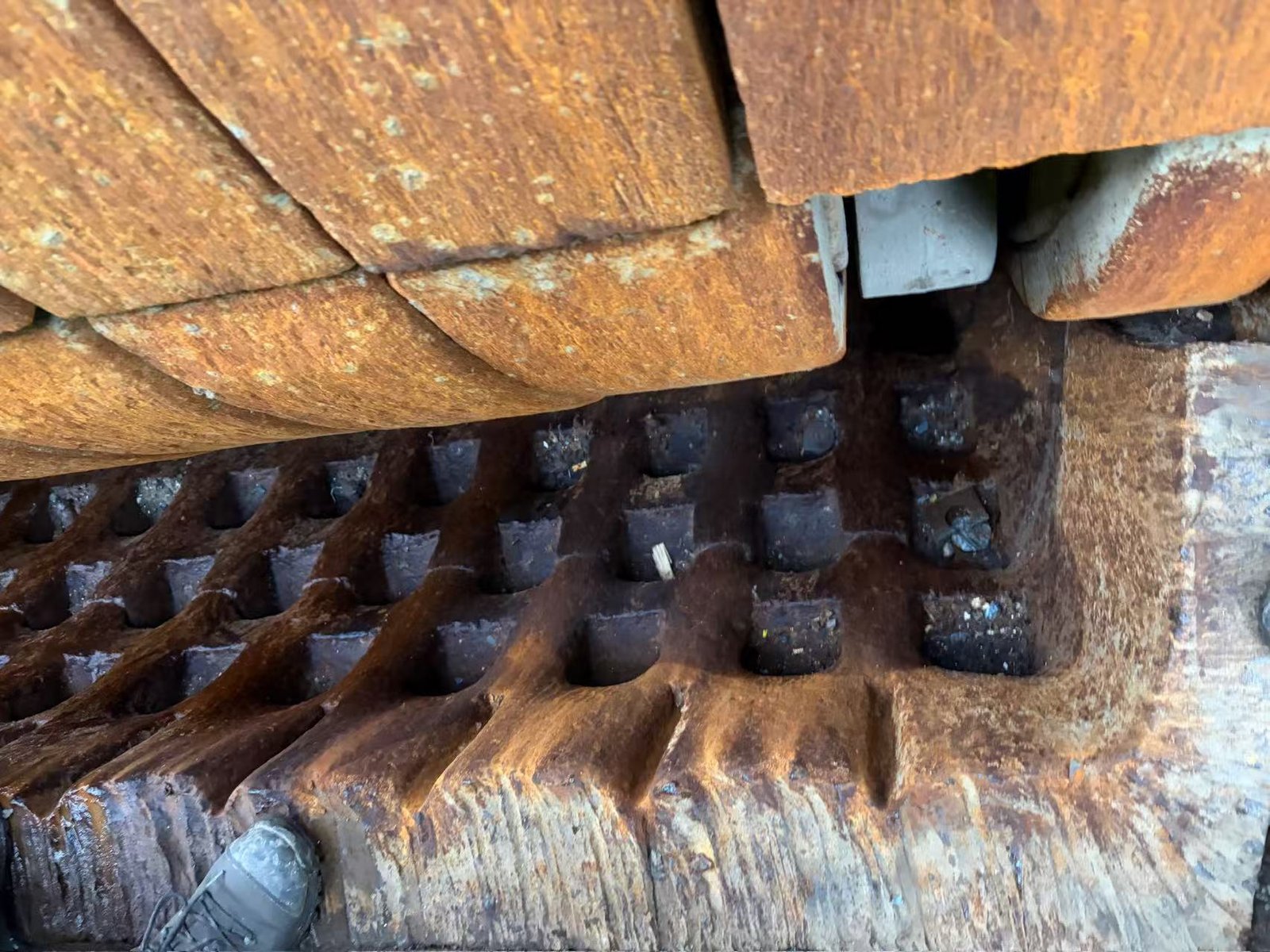
But it doesn’t seal. It stops halfway, stuck firmly against the expanded side liners and lower breaker bar.
For one prospective customer, this wasn’t a bad dream; it was their day to day.
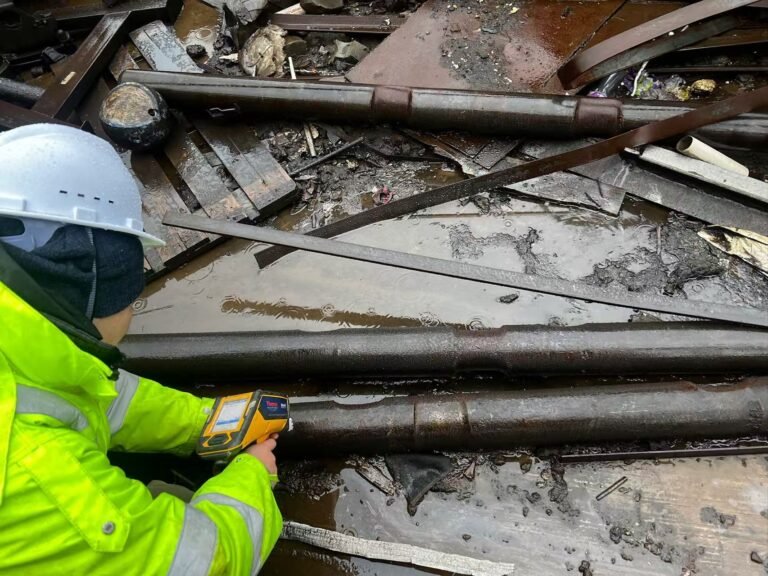
They were running standard manganese side liners from a generic supplier. During the production run, the friction inside the mill caused the internal temperature to spike. The liners, reacting to the heat, expanded vertically. By the time they tried to close the mill, the steel had “grown” significantly, physically blocking the cap from seating.
Instead of going home, the crew had to drag the oxy-fuel torches back up to the shredder and spend another 2-3 hours burning 2 inches of manganese off the top of the liners and breaker bar, just so the machine could be closed and ready for production the next morning.
The Diagnosis:
When we analyzed the liners, the issue wasn’t the installation; it was the Thermal Physics.
Standard Manganese steel has a notoriously high coefficient of thermal expansion. In a high-friction environment, it doesn’t just get hot; it gets bigger.
-
The Science: If your liner geometry doesn’t account for this growth, or if the alloy isn’t stabilized, the steel will expand beyond the tolerance of the housing.
-
The Consequence: A “perfect fit” when cold becomes a “doorstop” when hot.
The Trium Solution:
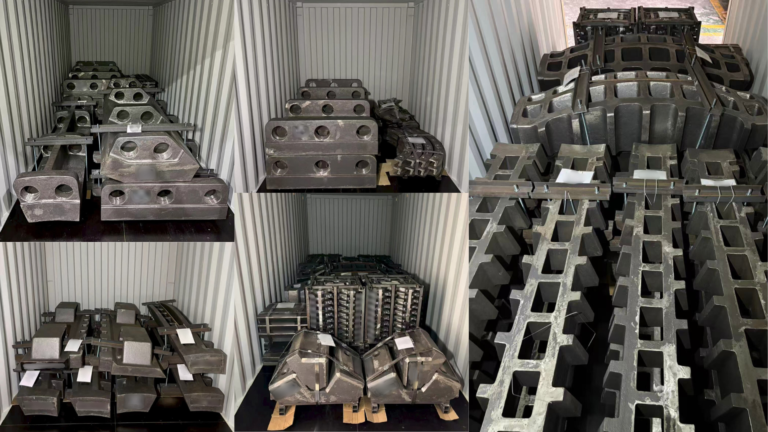
We swapped their generic liners for Trium’s Proprietary Low-Expansion Alloy.
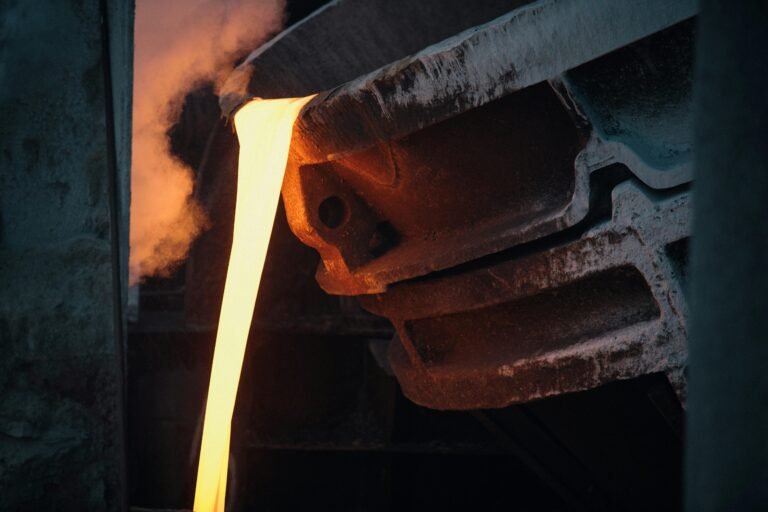
This isn’t off-the-shelf manganese. Our foundry uses a specific chemical blend designed to maintain dimensional stability even under extreme thermal cycling. We engineered the liners to handle the heat without “growing” into the cap’s crush zone.
The Result:
The difference was immediate:
-
Perfect Fit: The cap now closes smoothly every single time, regardless of how hot the mill has been running.
-
No Torching: The dangerous, exhausted task of “trimming to fit” at the end of the shift was eliminated instantly.
-
Morale Boost: The crew finishes on time, and the shredder is ready for the morning start-up without the drama.
The Takeaway
You shouldn’t have to fight your machine to close it. If you are torching your liners just to get the lid down, you are using the wrong alloy. At Trium, we formulate our parts to fit your shredder in any condition.