The Growth Problem
Growth is the goal of every recycling operation. But as one of our long-term partners recently discovered, expansion can bring unexpected headaches.
This Midwest operator had just acquired several new feeder yards to expand their footprint. It should have been a celebration. Instead, it became a bottleneck. Almost immediately after integrating the new supply lines, their shredder’s output dropped.
The hammers that had pulled consistent tonnage for years were suddenly struggling. The mill was drawing high amps, but the throughput plummeted. The customer called us, worried that the latest batch of castings was defective.
The Site Investigation:
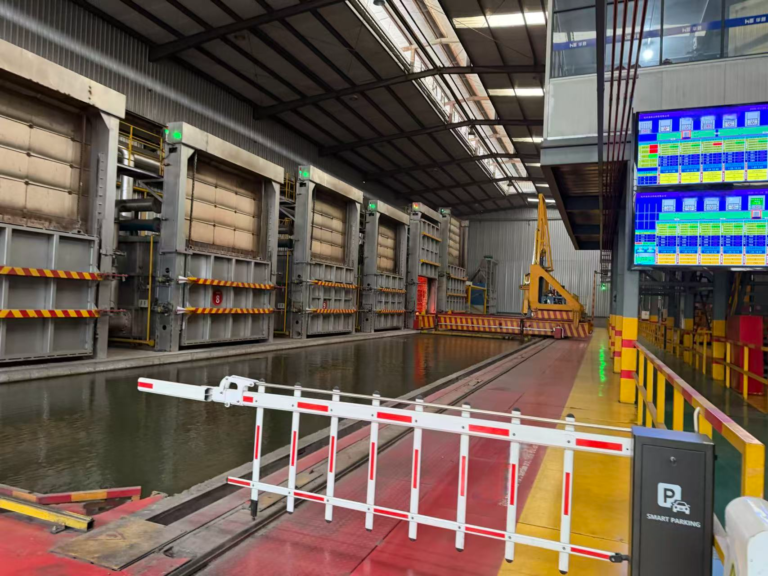
We flew to the site the next day. We didn’t start by looking at the hammers. We started by looking at the infeed conveyor.
The problem wasn’t the casting quality, it was a radical shift in the scrap mix.
-
- Previous Feed: Their original yards provided heavy structural steel and plate.
-
- New Feed: The acquired yards were supplying mostly light iron, tin, and clean auto bodies.
Why Manganese “Quit” Standard Manganese steel is unique: it gets harder the harder you hit it.
-
- When running heavy structural steel, the massive impacts “wake up” the manganese, hardening the surface so it keeps a sharp cutting edge.
-
- But when the feed switched to light tin and fluff, there was no heavy impact. The manganese never work-hardened. It stayed soft.
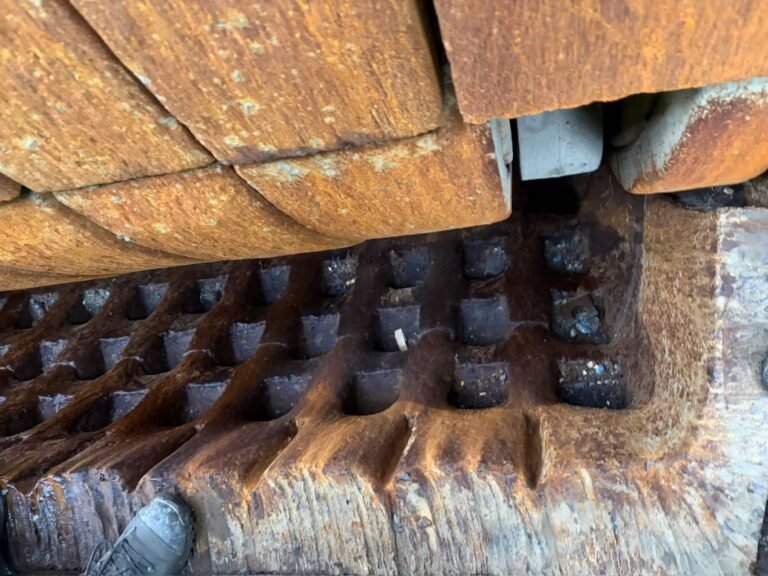
Because the hammers remained soft, the abrasive light scrap acted like sandpaper, rounding off the edges in record time. A rounded hammer can’t “bite” into light material, it just swims through it, spinning the rotor without pulling the load.
The Trium Solution
We recognized that the feed had changed, so the formula and geometry of the hammer had to follow.
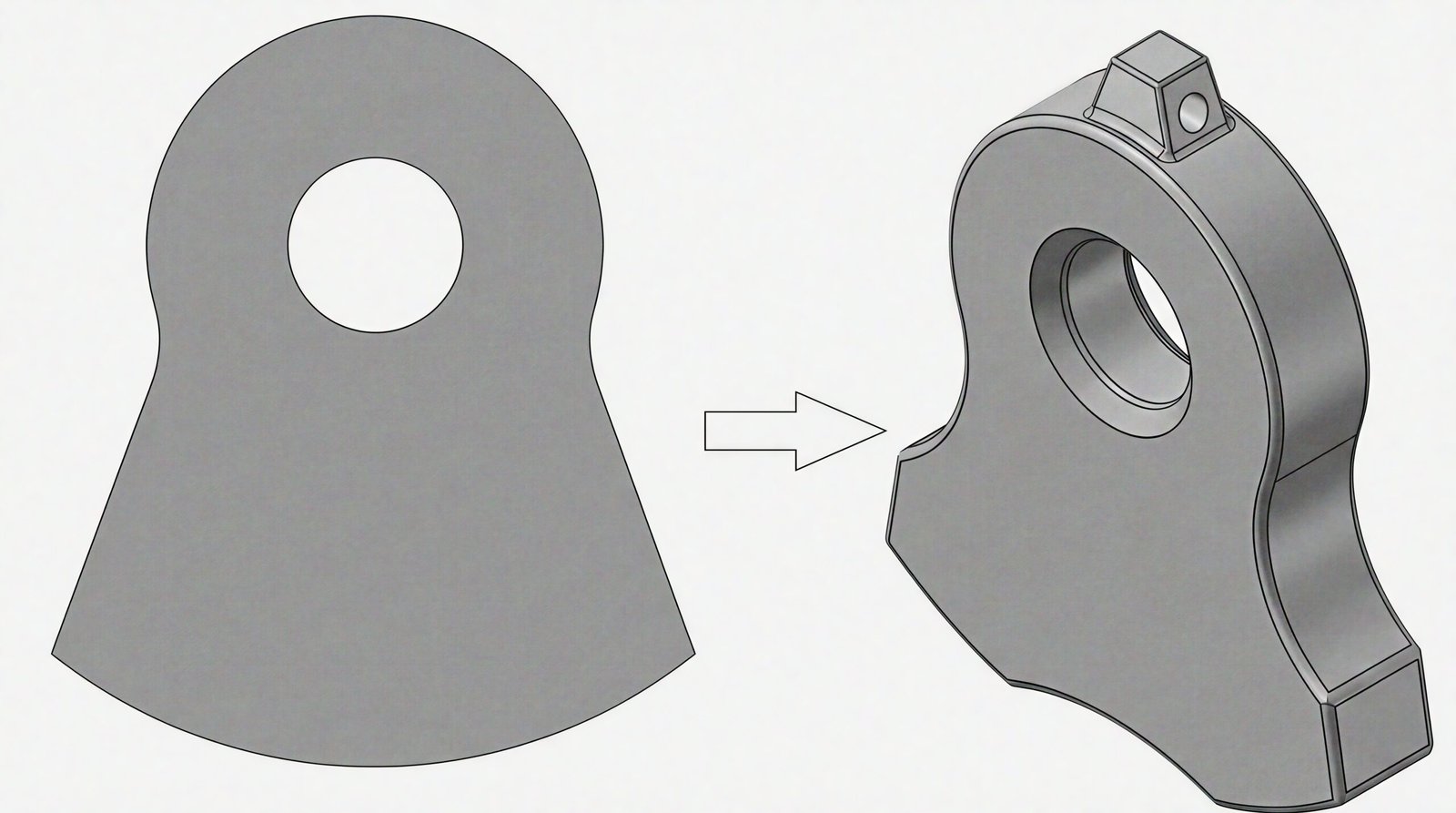
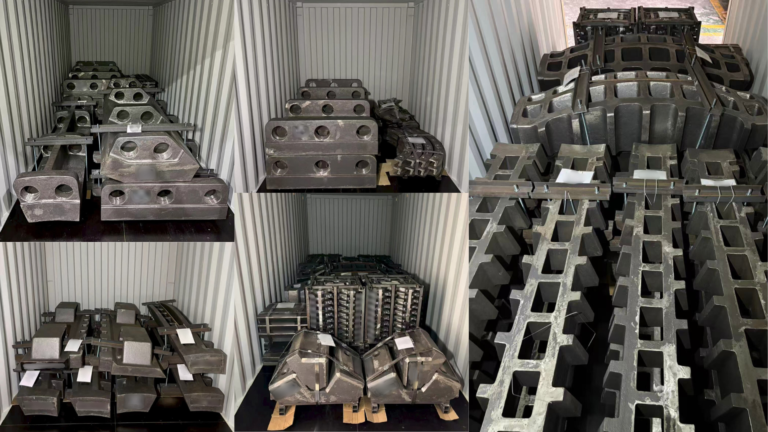
We went back to our foundry and adjusted the hammer chemical composition and geometry. The new hammer set was installed three months later. The difference was immediate. The new hammers grabbed the light material instantly. The customer didn’t just recover their lost tonnage. They shattered their old records. By matching the alloy to the specific density of the new feed, they achieved 24% higher output than their previous peak.
The Takeaway
Your shredder is not a static machine. If your business changes—if you buy new yards or shift your mix—your wear parts need to adapt. At Trium, we analyze the pile before we pour the part. If your tonnage is slipping, give us a call. We might just help you set a new record.